How to improve your business energy efficiency to reduce costs
Business energy efficiency isn’t about switching lights off and watching your usage drop.

Finding the right business energy supplier can feel like a full-time job in itself.
You’re already focused on keeping your business running smoothly and serving your customers. You don’t have time to waste searching for the right supplier to power your operations - but making the wrong decision could prove costly.
Choosing the right business energy supplier could make a noticeable difference to your costs and long-term stability.
A study by Ofgem, the energy regular for Great Britain, found nearly a third of businesses (29%) reported switching supplier within the last year.
We won’t lie: it’s not the most exciting task on your to-do list. But finding the right supplier for your business is crucial because every company has different energy needs.
In this article:
As mentioned in our simple guide to business energy, there is no single 'best business energy supplier' as every business, such as yours, has different needs and each supplier has a different service to offer.
The size of your business, energy usage, type of energy used and what level of support you need combine to determine the right supplier.
In this guide, we will run through some of the key information you need to know before rushing to a supplier to make sure you get the most suitable deal.
Again, there is no such thing as the cheapest business energy supplier.
Energy prices change on a daily basis and suppliers are battling to strike the balance between offering a competitive unit rate to customers while turning a profit.
The cost of business energy can change based on a range of factors, including:
A small retail business operating from a single site may be suited to one energy supplier, but a larger multi-site manufacturing business may find a better deal elsewhere.
It is important to weigh up the standing charge, not just the headline unit rate on one of your business energy bills.
Variable rate contracts may look cheaper on the surface, but you must assess the risk of price rises and whether your business could absorb higher bills.

Your switch should be completed within five working days. Or you can request a specific date to switch, so long as your new supplier agrees and is able to fulfill the request.
Don't worry about your supply. The power will continue to flow. You won't notice the switch and you're highly unlikely to experience any disruption, meaning your business can continue as normal.
This article is part of our Business Energy Basics series. Now read...
Business energy is complex. We get it. We can support you.
Troo exists to help businesses make sense of their energy needs. We simplify information and help you make smart decisions that manage costs and lead to real change.
We are not here to sell you a quick fix. We're here to understand what matters to you, offer clear advice, and take ownership of the hard parts, so energy becomes one less thing to worry about.
Book a free energy health check today for practical advice on business electricity, gas and water procurement, renewable consultancy and our ongoing management services.

Business energy efficiency isn’t about switching lights off and watching your usage drop.
 Melvyn Wilson: Aug 18, 2026, 2:30:00 PM
Energy markets are riding a rollercoaster in 2026 - and your business is paying for it.
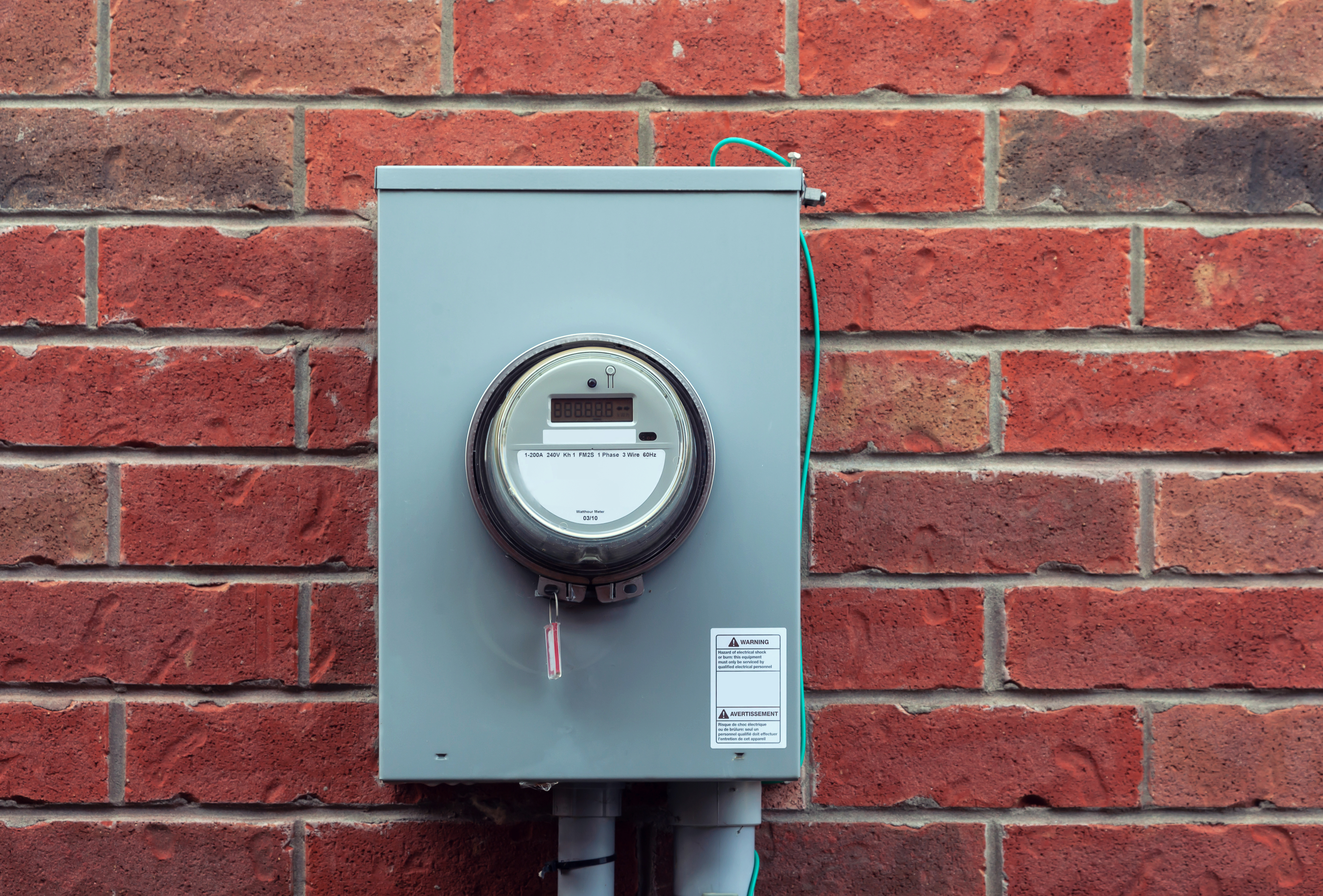
Your business relies on an energy meter, but not every business has the same type installed.