How to improve your business energy efficiency
Business energy efficiency isn’t just about switching all the lights off and watching your usage drop.

You didn't go into business to become an expert in business energy. In 2026, it feels like you need to be one.
Conflicts taking place thousands of miles from your shop window, office or warehouse are having a direct impact on the big - and rising - number on the bottom line of your energy bill.
We know what it's like to watch the news and feel helpless, not knowing how the latest crisis will hit your business. And we're here to help.
You can start with our simple guide to business energy for basic principles. Then understanding what affects business energy prices is another step towards protecting your business from whatever happens next.
In this article:
Of course, the key factor that determines your monthly energy bill is usage - use more, pay more - but this doesn't reduce the fundamental price of your energy.
And many businesses rely on a steady supply of power for critical appliances, from refrigerators to manufacturing equipment. There are some things you simply can't cut out.
Your energy bill is broken into three major portions with their own causes for rises and falls:

Approximately 40% of your business electricity bill - and 60% of your gas bill - pays for the energy flowing through your site, according to Ofgem.
Supply and demand plays an enormous role in setting the price of wholesale energy.
If supply is higher than demand, there is plenty to go around and prices should fall. If demand outpaces supply, energy becomes scarce and the price is likely to rise.
Supply shocks
Geopolitical tensions and conflict around the world can lead to weak supply.
During the US-Iran conflict in 2026, the Strait of Hormuz, a critical shipping passage from the Persian Gulf, was effectively closed by Iran in response to US airstrikes on the country.
Prior to February 2026, around 27% of the world's maritime crude oil and petroleum trade and 20% of the world's liquefied natural gas (LNG) passed through the strait, according to the US Congress.
The reliable supply of oil and gas leaving the region was greatly reduced. Supply was reduced, the rest is history.
Brent crude oil prices rose 80% from the start of February to peak around $126, adding huge pressure to energy industry supply chains.
Other recent supply shocks include the Russia-Ukraine war, which led to many European nations vastly reducing - or completely cutting off - their supply of gas from Russia.
The Great British weather is one of many demand factors that directly impacts energy prices.
Extreme temperatures lead to spikes in usage.
Cold weather increases demand for heating appliances.
Hot weather increases demand for cooling systems.
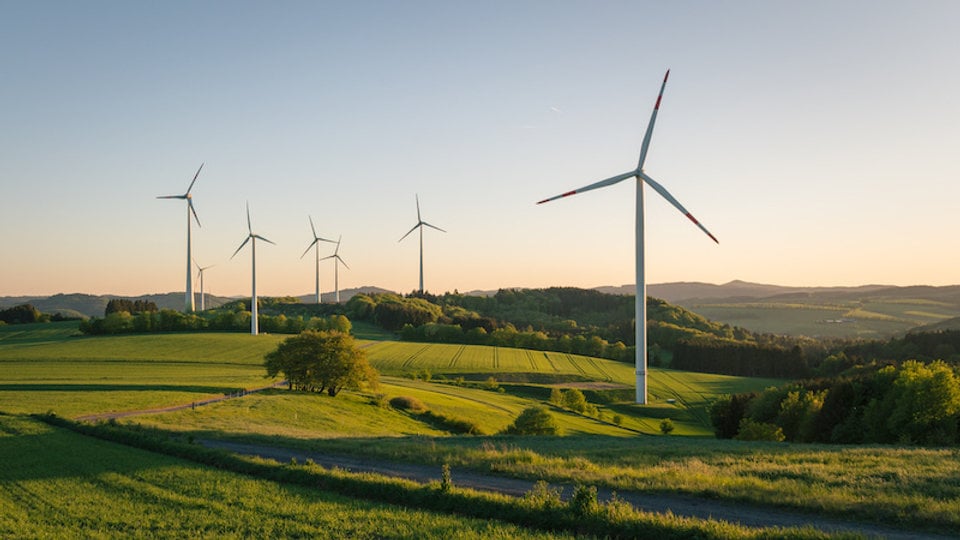
The productivity of renewable technology also relies on the weather. Not enough wind or sun may diminish the effectiveness of turbine and solar generation, requiring fossil fuels to step in to meet demand.
On the flip side, prolonged spells of wind and sun can lead to bumper generation.
Businesses with their own on-site turbines or solar panels could stand to benefit from a strong supply of 'homegrown' power regardless of what is happening around the world.
It's relatively easy to track the latest news headlines, but it can be much trickier - and if we're honest, less interesting - to follow the movement of underlying charges.
Non-commodity costs can make up almost two thirds of a business energy bill. A large portion of non-commodities revolve around maintaining transmission and distribution infrastructure.
Understanding that energy price rises stem from a range of sources beyond global instability can help you make smart decisions to protect your business.
There are two major non-commodity charges included in every unit of energy:
These costs are mandatory. You cannot reduce them. Knowing what they are, and looking ahead to see where they are going can help you make budget forecasts with greater precision.
Following on seamlessly from network costs, non-commodity charges also include various taxes and levies applied to energy bills by the Government.
VAT: This tax is applied to most goods and services across the economy and energy is no exception. There is a 20% tax applied to energy as standard, though low-usage business and not-for-profit organisations can benefit from a reduction to 5%.
Climate Change Levy (CCL): This tax is designed to incentivise a transition from fossil fuels to renewable energy sources. Businesses who qualify for lower VAT are usually exempt from CCL but many receive the charge. You should check whether your business is eligible for a discounted rate.
Nuclear RAB (Regulated Asset Base): this levy was introduced in 2022 to support the construction of nuclear power stations given their high upfront costs.
VAT and CCL are two key charges on your bill, but each of them can be heavily reduced if your business meets certain conditions, as we'll explain below.
Make sure you're paying the right VAT and CCL: Staying on the theme of non-commodities, the VAT and CCL discounts are not applied automatically. Charities and non-profit organisations, village halls, care homes and low business energy users are among those who can benefit from a reduced VAT rate and likely CCL reduction. More than a third (37%) of charities did not know they could claim for a reduction, according to the Energy Action Group.
This article is part of our Business Energy Basics series. Now read...
Business energy price rises outside of your control can be scary. We get it. We can support you.
Troo exists to help businesses make sense of their energy needs. We simplify information and help you make smart decisions that manage costs and lead to real change.
We are not here to sell you a quick fix. We're here to understand what matters to you, offer clear advice, and take ownership of the hard parts, so energy becomes one less thing to worry about.
Book a free energy health check today for practical advice on business electricity, gas and water procurement, renewable consultancy and our ongoing management services.
Business energy efficiency isn’t just about switching all the lights off and watching your usage drop.
 Melvyn Wilson: Aug 18, 2026, 2:30:00 PM
Energy markets are riding a rollercoaster in 2026 - and your business is paying for it.
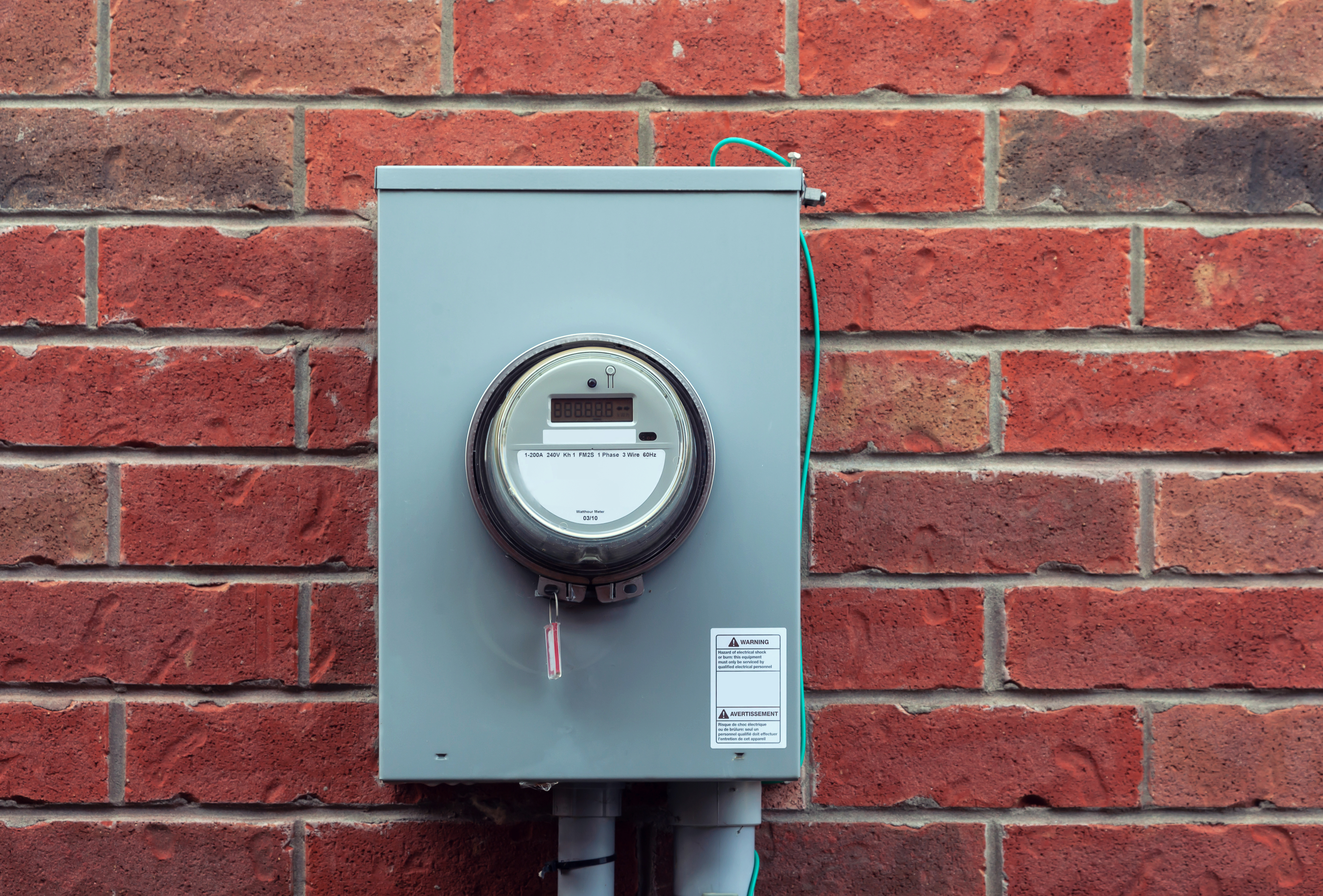
Your business relies on an energy meter, but not every business has the same type installed.