2 min read

What is SECR? The UK reporting scheme your business may need to comply with

What is SECR? The UK reporting scheme your business may need to comply with
3:43

Streamlined Energy and Carbon Reporting (SECR) may feel like just another box-ticking regulatory exercise.
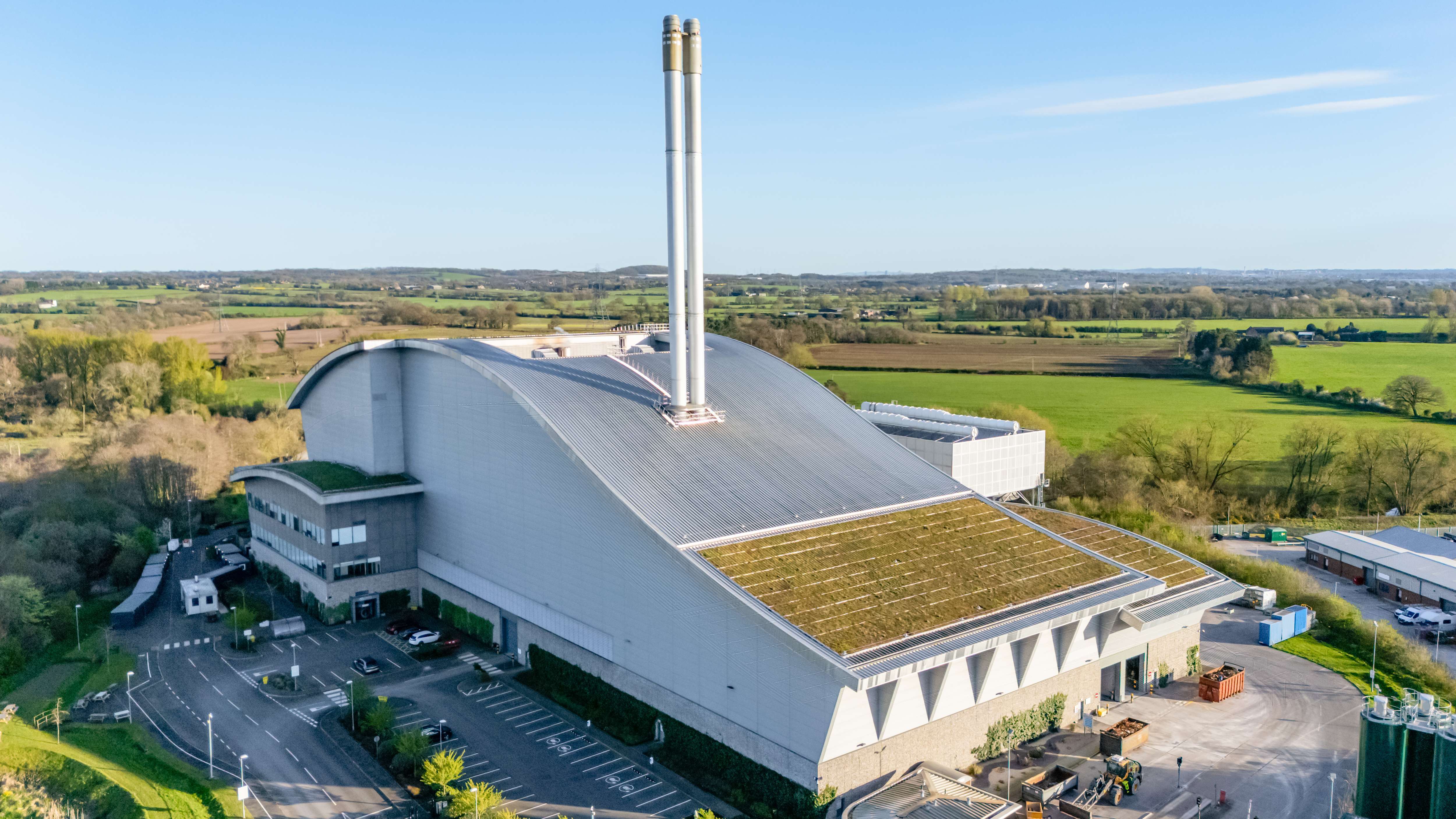
However, doing it right can offer your business useable insights to make sustainable decisions and reduce your energy bills.

Whether you're trying to understand if SECR applies to your business or simply want to know what information must be reported, this guide explains the essentials in straightforward terms.

In this article:

    • Learn what streamlined energy and carbon reporting (SECR) is.
    • Understand whether your business is required to comply with SECR.
    • Discover what must be disclosed through SECR.

What is SECR?

Streamlined Energy and Carbon Reporting (SECR) requires qualifying UK companies to disclose their energy use and greenhouse gas (GHG) emissions within their annual reports.

SECR was introduced in April 2019 to improve transparency around business energy use and carbon emissions.

It forms part of the government's wider strategy to improve corporate transparency and encourage businesses to reduce their GHG emissions.

Which businesses must comply with SECR?

Your business is typically required to comply with SECR if it is:

  • A publicly quoted company; or
  • An unquoted company with two of the following three criteria:
    • Turnover greater than £36 million
    • Balance sheet total greater than £18 million
    • More than 250 employees

Some organisations are exempt, including businesses that can demonstrate their total annual energy consumption is less than 40,000 kWh, although they must still state this within their directors' report.

If you're unsure whether your business falls within the scope of SECR, it's worth seeking professional advice before your reporting deadline to ensure you remain compliant.

What must be disclosed through SECR?

SECR information is included within your annual directors' report.

To save time, you can use data from your Energy Savings Opportunity Scheme (ESOS) assessments to support your SECR reporting. This means you will avoid making duplicate checks.

The following details are required for SECR:

  • Total energy use (electricity, gas, fuel)
  • Greenhouse gas emissions
  • Emissions per employee or per revenue
  • Description of calculation methods
  • Comparative data from the previous financial year (where required)

Why is SECR important?

Compliance is legally required for qualifying businesses. This is not an optional extra for qualifying businesses. It is mandatory.

Beyond the obligation to comply, effective reporting can strengthen the Environmental, Social and Governance (ESG) credentials of your business as well as support tender applications, meet supply chain requirements and demonstrate a commitment to sustainability.

The reporting process can also highlight opportunities to improve energy efficiency which can lead to reduced operating costs and energy bills.

How we can help

Business energy is confusing. You know you need to stay on top of such a major cost, but that can be difficult while focusing on running your business and serving your customers.

We get it. We can support you.

Troo exists to help businesses like yours make sense of their energy needs, simplify complex information and make smart decisions that lead to real change and reduced costs.

We are not here to sell you a quick fix. We're here to understand what matters to you, offer clear advice, and take ownership of the hard parts, so energy becomes one less thing to worry about.

Book a free energy health check today for practical guidance on your business electricity, gas or water bills.

What is SECR? The UK reporting scheme your business may need to comply with

What is SECR? The UK reporting scheme your business may need to comply with

Streamlined Energy and Carbon Reporting (SECR) may feel like just another box-ticking regulatory exercise.
Read More
How your business can reach Net Zero - and reduce energy costs

How your business can reach Net Zero - and reduce energy costs

Net Zero is one of the hottest topics for businesses across the UK - but what does it actually mean for you?
Read More
Energy market update: What UK businesses need to know this week

Energy market update: What UK businesses need to know this week

Energy markets are riding a rollercoaster in 2026 - and your business is paying for it.

Read More