4 min read

How your business can reach Net Zero - and reduce energy costs

How your business can reach Net Zero - and reduce energy costs
6:57

Net Zero is one of the hottest topics for businesses across the UK - but what does it actually mean for you?

There are misconceptions on both sides of the debate over Net Zero and its place in society, making it difficult to know what to believe and where to start.

Ultimately, Net Zero is a government-led strategy to balance emissions put into the atmosphere with the amount we remove from it.

But Net Zero is more than just a sustainability push.

Done right, Net Zero could be a key driver of reduced costs, protection from global energy markets and an attractive selling point to your customers. We explain how.

In this article:

    • Learn what Net Zero means for UK businesses.
    • Understand the costs associated with Net Zero - and why it doesn’t need to be an expensive process.
    • Discover practical ways to reduce your business carbon emissions.

What does Net Zero mean for businesses?

The UK has committed to reaching Net Zero by 2050, in line with countries in the European Union and other major economies around the world, including Japan, Canada, Australia and more.

Net Zero means balancing the amount of greenhouse gas (GHG) emissions with an equal amount removed. In practice, this looks like reducing emissions and increasing the capture of GHGs such as carbon dioxide and methane through natural and technological methods.

Reaching Net Zero is not a mandatory requirement for small-to-medium businesses, but the overarching government target means policy decisions are made with a view to promote and encourage a shift towards reducing emissions.

Why are more businesses working towards Net Zero?

A study has found 79% of large organisations view progressing on Net Zero initiatives as a medium-to-very high strategic priority over the next year, according to the UK Business Climate Hub, despite Net Zero not being made mandatory for businesses.

But why?

  • Government policy: Taxes, levies and schemes have been designed to benefit organisations who adopt Net Zero practices.
  • Supply chain requirements: Larger organisations adopting Net Zero targets ask more from their supply chain, who, in turn, may ask more from their own supply chain.
  • Customer expectations: Businesses are increasingly catering for customers with sustainability in mind.
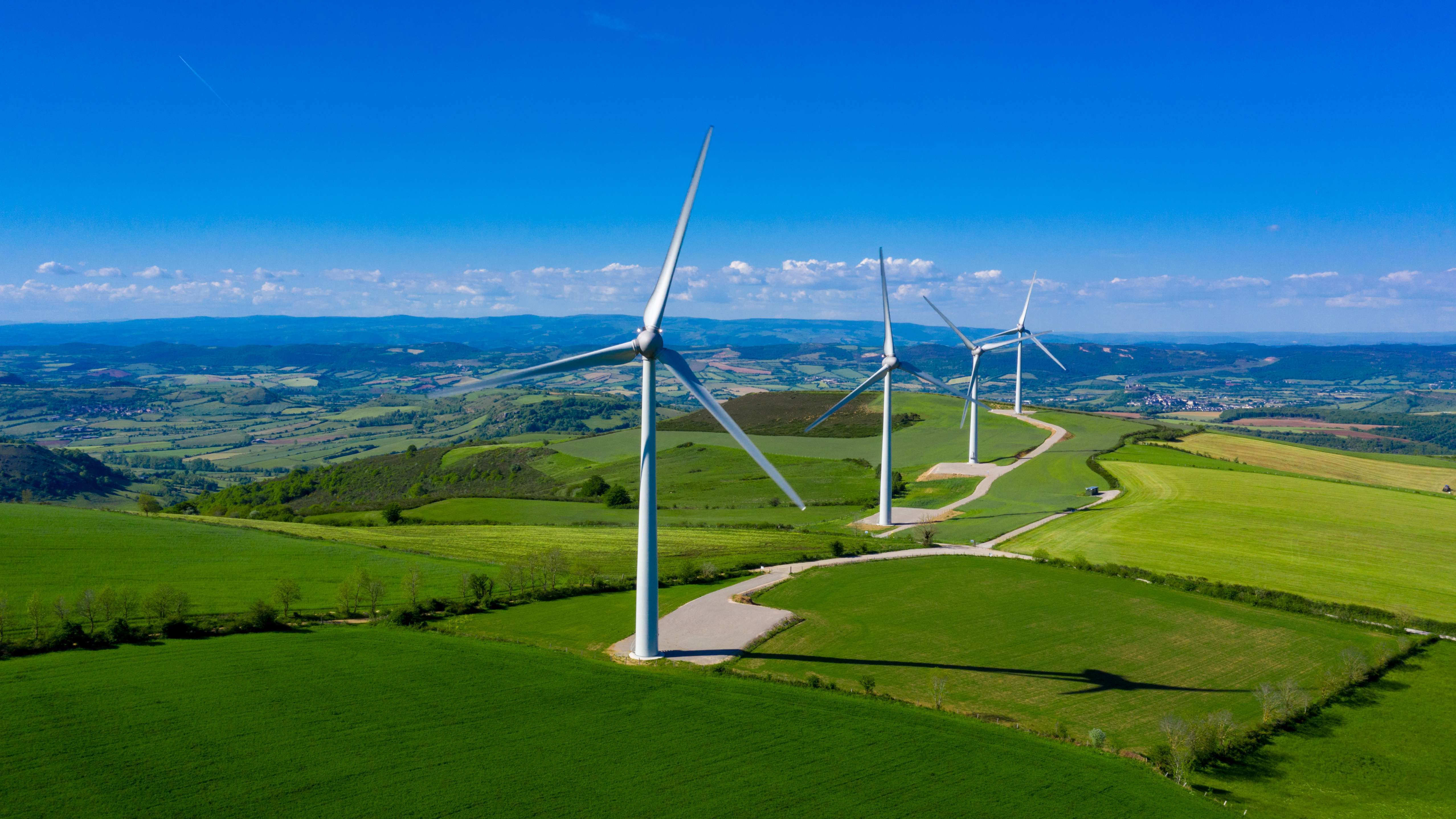
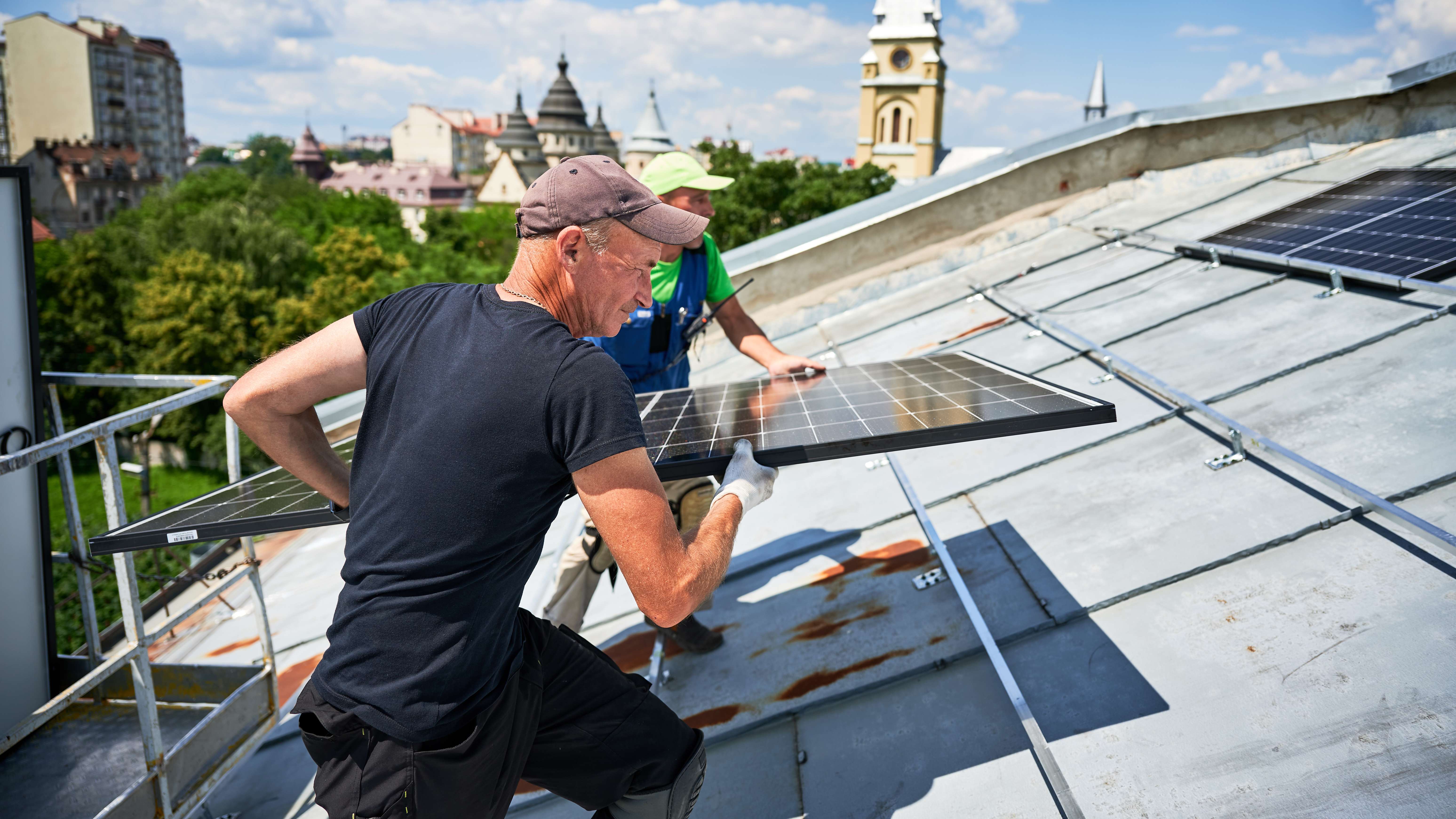
  • Lower energy costs: A crucial factor in the shift towards Net Zero is to reduce energy costs through on-site generation, commonly through solar panels or wind turbines. Greater competition among infrastructure providers has contributed to lower upfront costs, far lower ongoing energy unit prices than a traditional electricity supply and protection from global energy price spikes mean businesses can reduce their energy bill by investing in the Net Zero transition.

Where should your business start?

Knowing where to start with Net Zero is tricky, but we can help reduce your emissions through your energy usage with minimal disruption to your usual operations.

It can be tempting to think you need to dive straight into fixing solar panels and wind turbines to your business site. Stop.

Here are some simple checks you should make before spending a single pound:

  1. Understand your energy use: It’s important to get a baseline of your usage. You can find an overall figure measured in kWh or mWh on your energy bill or account. Measure your electricity, gas and water usage, but also your fuel for things like transportation. The more information you have with regards your peak times and most intensive operations, the better. Convert all data into the following units of measurement:
    1. Electricity/gas = kWh
    2. Water = m3
    3. Road travel = km (or using fuel receipts to estimate mileage)
    4. Rail, air or boat travel = pkm (kilometres per passenger)
  2. Measure your carbon emissions: There are three overarching categories of emissions, including definitions from the British Business Bank:
    1. Scope 1: Emissions created directly by your organisation through actions such as running heating systems and fuelling company vehicles.
    2. Scope 2: Indirect emissions caused by your company, such as energy bought from external sources.
    3. Scope 3: Indirect emissions that occur because of your business activity, such as transportation of office supplies or employees travelling to and from work.
  3. Set realistic expectations and objectives: You don’t need to slash your energy usage to the detriment of your business overnight. You don’t need to plan to eradicate all emissions by next year. You don’t even need to target 100% reliance on electricity generated on site. Most businesses still tap into a traditional supply to work seamlessly alongside homegrown energy.

Add the data from the first step into a trusted carbon calculator, such as the SME Carbon Footprint Calculator to reveal your Scope 1 and Scope 2 emissions. Determining Scope 3 emissions is trickier and may require an environmental consultancy to calculate. Your carbon emissions are the sum of all three scopes.

Is reaching Net Zero expensive?

It doesn’t have to be.

Many businesses are spooked by misconceptions about the cost of reaching Net Zero without realising it can be used to actually reduce costs.

You could save money by simply auditing and reducing your energy usage, or you could decide to go down the route of solar panels or wind turbines which also come with considerable benefits.

The cost of renewable technology has fallen drastically over the last decade due to progressive innovation, supply chain growth and economies of scale, while various tax reliefs, grants and schemes can also help with the initial costs.

After installation, every unit of energy generated is a unit of energy you won’t buy from an external supplier and once your investment has been paid off, you can reap the pure cost benefits.

If traditional grid electricity prices increase over time, which is likely given rising geopolitical uncertainty and non-commodity costs, the savings you make from every unit of energy generated also increases.

How we can help

It’s tricky to know where to start with renewable energy for business. The boom feels new and overwhelming. There’s a lot of noise. You can’t separate the truth from myths and rumours.

We get it. We can support you.

Troo exists to help businesses like yours make sense of their energy needs, simplify complex information and make smart decisions that lead to real change and reduced costs.

We are not here to sell you a quick fix. We're here to understand what matters to you, offer clear advice, and take ownership of the hard parts, so energy becomes one less thing to worry about.

Book a free energy health check today to explore renewable energy options for your business.

How your business can reach Net Zero - and reduce energy costs

How your business can reach Net Zero - and reduce energy costs

Net Zero is one of the hottest topics for businesses across the UK - but what does it actually mean for you?

Read More
Energy market update: What UK businesses need to know this week

Energy market update: What UK businesses need to know this week

Energy markets are riding a rollercoaster in 2026 - and your business is paying for it.

Read More
How workplace EV charging benefits your business – and grants that could help fund it

How workplace EV charging benefits your business – and grants that could help fund it

Workplace electric vehicle (EV) charging points are no longer a luxury, they’re quickly becoming important for businesses to attract employees,...

Read More