Does the energy price cap apply to businesses?
The energy price cap is frequently talked about in the news, but does it affect business energy contracts?
In short? No. Ofgem, the UK energy regulator, sets the price cap for domestic use. Business energy contracts do not benefit from the cap.
However, that doesn't mean businesses are powerless against rising energy costs.
Here's what the October 2026 energy price cap means and how your business can manage exposure to volatile energy markets.
In this article:
The energy price cap for the period from 1st October to 31st December is scheduled to be announced on 26th August 2026.
Forecasts currently suggest the cap could rise by around 4% to approximately £1,729 a year for an average household using a dual-fuel tariff.
This does not mean every household will pay £1,729. Actual bills depend on how much energy is used.
And note the word ‘household’.
Businesses do not qualify for the price cap, which limits the rates suppliers can charge eligible domestic customers for electricity and gas, including unit rates and standing charges.
The price cap was designed for eligible domestic customers rather than business energy contracts.
The price cap was introduced to protect eligible domestic customers on standard variable and default tariffs from being charged excessive rates.
Businesses buy energy under a much wider range of commercial arrangements, with prices influenced by usage, contract type and market conditions.
Organisations are expected to procure their own energy, or use a broker to do so, without a hard ceiling on unit rates and standing charges.
Business energy prices are ultimately set by suppliers. However, the lack of a price cap doesn’t mean suppliers can simply charge whatever they like.
Ultimately, suppliers are selling a product and must price energy accordingly to avoid customers switching to rivals.
Energy prices are made up of three key areas. The proportion of each can vary significantly between businesses and contracts:
Yes, only around 40% of a typical energy bill actually pays for the fuel you use to power your business.
Your business is not protected by the price cap, but that doesn’t mean you’re entirely on your own.
Ofgem’s Standards of Conduct also provide eligible businesses with safeguards designed to keep them informed about their contracts, including important dates and changes.
If you use a broker, suppliers are required to disclose the broker fees, so you know what you're paying and who you're paying it to.
However, businesses do not have the same price protection provided by the domestic price cap.
Top tip: Longer fixed-term contracts may look more expensive, but they can offer greater certainty by fixing your agreed energy rates for potentially years to come. However, they aren't automatically the best option for every business.
Business energy is complex. We get it. We can support you.
Troo exists to help businesses like yours make sense of their energy needs, simplify complex information and make smart decisions that lead to real change and reduced costs.
We are not here to sell you a quick fix. We're here to understand what matters to you, offer clear advice, and take ownership of the hard parts, so energy becomes one less thing to worry about.
Book a free energy health check today for practical guidance on your business electricity, gas or water bills.
The energy price cap is frequently talked about in the news, but does it affect business energy contracts?
Energy markets are riding a rollercoaster in 2026 - and your business is paying for it.
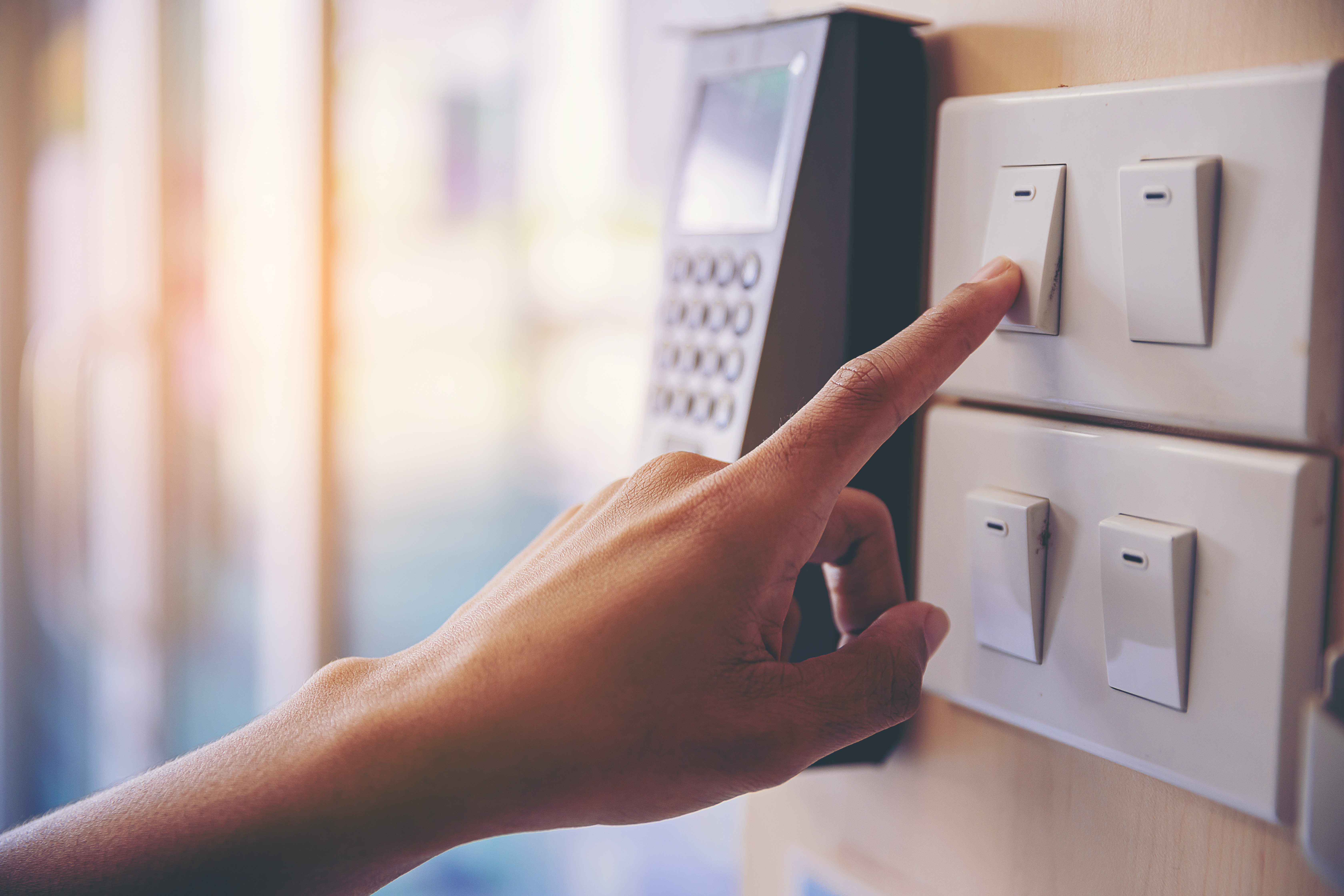
Business energy efficiency isn’t about switching lights off and watching your usage drop.