How to improve your business energy efficiency to reduce costs
Business energy efficiency isn’t about switching lights off and watching your usage drop.
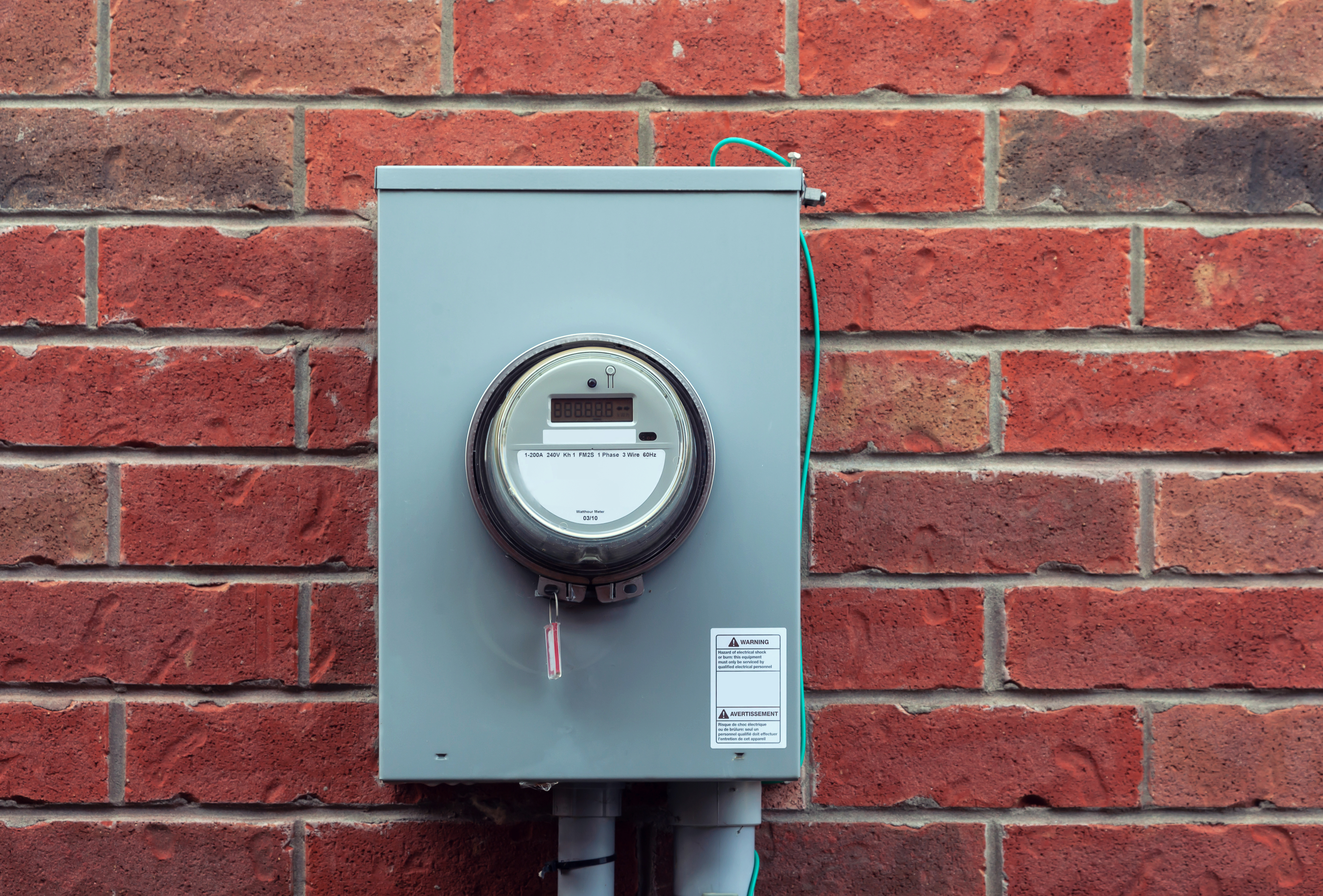
Your business relies on an energy meter, but not every business has the same type installed.
Meters are one of those things you just take for granted. Typically a small grey box in a dusty corner, your energy meter(s) may have been installed when the foundations of your site were first being put in place.
But are you using the most suitable type for your business needs?
Understanding the difference between non-half-hourly, half-hourly, smart and advanced meters can help you avoid billing issues, understand your energy usage and make better energy purchasing decisions.
The good news? You don't need to become a metering expert. You simply need to understand which meter you have and how it affects your business.
In this article:
Business energy meters measure how much electricity or gas your business uses.
That information is used by suppliers to calculate your bills and, depending on the type of meter, can also provide valuable insight into how and when your business consumes energy.
Manual meter readings were traditionally taken at intervals to periodically update your bills, but the adoption of smart meters means data is automatically sent to suppliers on a much more frequent basis.
The more accurate your usage data, the easier it becomes to understand consumption patterns, manage costs and choose the right energy contract.
Non-half-hourly (NHH)
Half-hourly (HH)
Smart meters
Advanced meters (AMR)
Used by: Medium and large commercial premises.
Measures: Automatic remote meter readings.
Benefits: Improves billing accuracy and simplifies energy monitoring without manual readings.
Not sure which physical meter your site has installed? Here are a few tips to identify your meter:
Traditional meters: Usually feature moving dials with a requirement to take manual readings. Some may show a very basic screen.
Smart meters: Usually features an electronic screen with no moving parts or rotating wheels. It may also be attached to a small communications hub with a flashing light.
If you're unsure, your supplier or energy consultant can confirm which meter type is installed and whether readings are sent automatically.
There are three key benefits to having an operational smart meter monitoring your business energy usage:
This article is part of our Business Energy Basics series. Now read...
Business energy is complex. We get it. We can support you.
Troo exists to help businesses make sense of their energy needs. We simplify information and help you make smart decisions that manage costs and lead to real change.
We are not here to sell you a quick fix. We're here to understand what matters to you, offer clear advice, and take ownership of the hard parts, so energy becomes one less thing to worry about.
Book a free energy health check today for practical advice on business electricity, gas and water procurement, renewable consultancy and our ongoing management services.
Business energy efficiency isn’t about switching lights off and watching your usage drop.
Energy markets are riding a rollercoaster in 2026 - and your business is paying for it.
Your business relies on an energy meter, but not every business has the same type installed.