3 min read

Selling renewable energy: Is it right for your business?

Selling renewable energy: Is it right for your business?
5:16

There’s only so much renewable energy you can use at any given time. Don’t waste the excess. Sell it instead.

If your business generates more electricity than it needs, you may be able to sell excess power back to the grid and open an additional revenue stream.

This process is known as exporting, and it can be a highly effective tool for businesses.

We take you through the process, how it works and whether it is the best choice for your business.

In this article:

    • Learn about exporting renewable energy.
    • Understand how businesses can - and when they should - sell energy.
    • Discover how much revenue can be earned by exporting electricity.

What is business energy exporting?

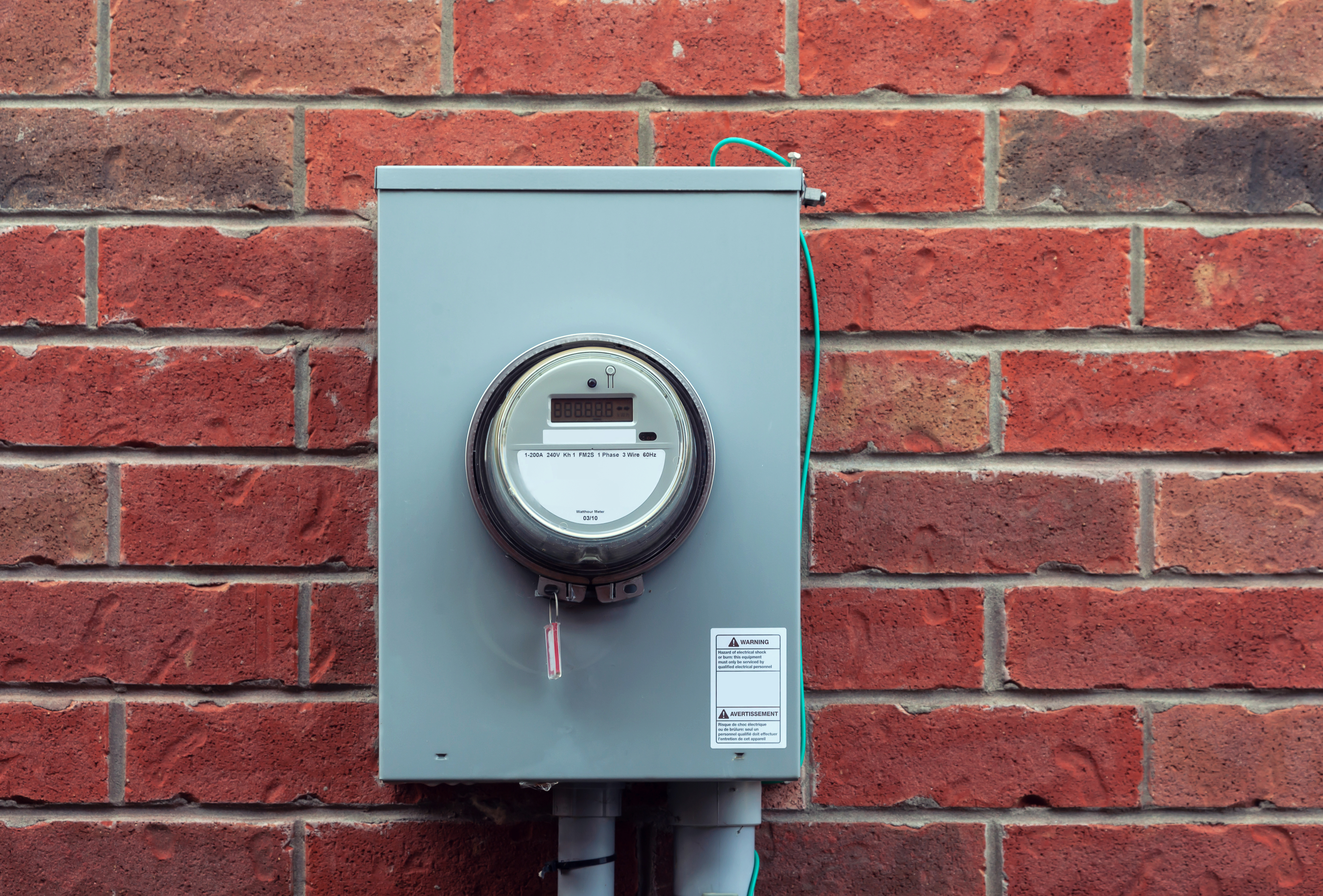
Exporting is the process of selling excess renewable energy back to the grid.

This is common practice for businesses and domestic households with renewable energy technology installed.

In terms of business energy, there is no size requirement. Large corporations and SMEs alike can benefit from exports.

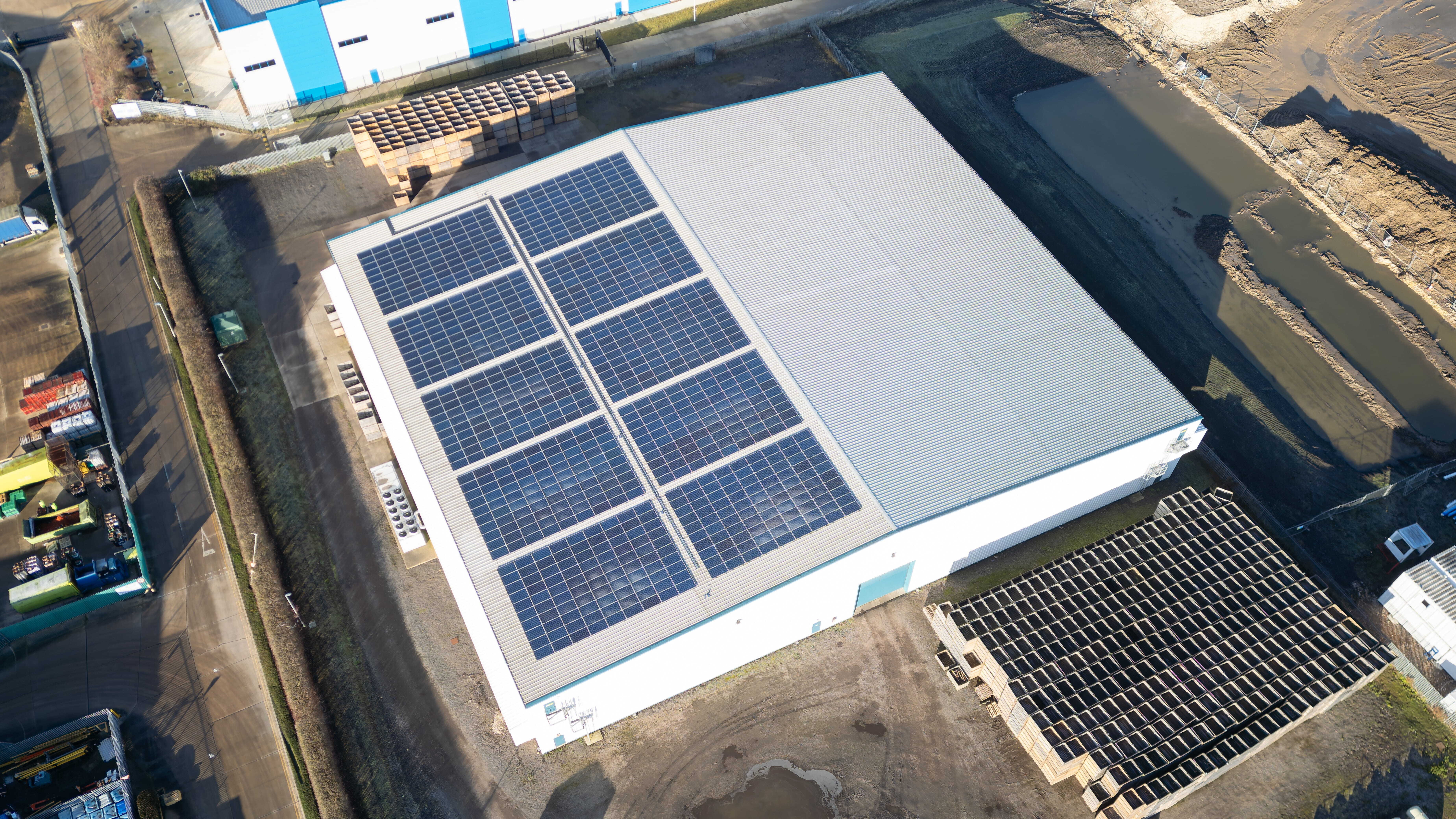
Solar panels and wind turbines are the most common technologies capable of exporting, but any renewable infrastructure up to 5MW capacity connected to the grid should also be able to export.

How do businesses get paid for exporting energy?

There are two main routes to getting paid for exported energy:

  • Smart Energy Guarantee (SEG): This government-backed initiative enables licensed energy suppliers with over 150,000 customers to pay for low-carbon energy sent back to the national grid. This is a flexible, no-fuss option that simply pays you for each unused unit of electricity.
  • Power Purchase Agreement (PPA): Businesses that generate larger volumes of energy can create contracts to sell surplus energy over longer terms, typically ranging from five to 20 years. It’s a more formalised, predictable approach rather than just selling excess electricity on demand.

How much money can a business make from energy exports?

Rates are competitive for electricity exports. Suppliers and energy buyers can each offer their own rate for what they are willing to pay per kWh.

Under the SEG scheme, supplier rates typically fluctuate between 5p to 15p per kWh. If you sell 5,000 kWh of otherwise wasted energy, you could earn somewhere between £250 to £750. Actual earnings will depend on your export tariff, generation levels and the amount of electricity you are able to export.

Suppliers will typically offer you a better export rate if you are already their customer, so it’s worth checking your traditional supplier’s rates before scouring the market. These rates are also variable, so they could rise and fall with energy markets.

PPAs can offer similar rates but prices are locked in for five to 20 years. This is typically a route for high-volume exporters for a more predictable flow of income. However, you could miss out on selling at high prices if energy markets spike.

Of course, regardless of which option you choose, the more you sell, the more you make. But is selling excess energy always for your business?

Is it better to use renewable energy or export it?

The idea of generating and selling an energy surplus sounds appealing, but it may be even more cost effective to invest in battery storage solutions.

In most cases, using renewable electricity on-site delivers a greater financial benefit than exporting it because the cost of buying electricity is usually higher than the rate paid for exported electricity.

Your energy surplus could be sold via exports using the processes already described, or this energy could be saved for later use via battery storage systems.

Excess energy stored in batteries can be deployed overnight or when weather conditions are unfavourable, saving you the cost of buying energy from your supplier.

Essentially, you could sell one excess unit of energy to the national grid for 5p-15p but pay 20-25p for a unit of energy overnight.

Or you could refrain from selling excess energy, store it in a battery and deploy it overnight, saving 20-25p per unit instead.

Without a battery, you will earn more from exports but save less on bills. With a battery, you will earn less from exports but save more on bills.

However, all of these systems can work in harmony if excess generation goes to the battery and any further excess is exported.

How we can help

It’s tricky to know where to start with renewable energy for business. The boom feels new and overwhelming. There’s a lot of noise. You can’t separate the truth from myths and rumours.

We get it. We can support you.

Troo exists to help businesses like yours make sense of their energy needs, simplify complex information and make smart decisions that lead to real change and reduced costs.

We are not here to sell you a quick fix. We're here to understand what matters to you, offer clear advice, and take ownership of the hard parts, so energy becomes one less thing to worry about.

Book a free energy health check today to explore renewable energy options for your business.

Selling renewable energy: Is it right for your business?

Selling renewable energy: Is it right for your business?

There’s only so much renewable energy you can use at any given time. Don’t waste the excess. Sell it instead.

Read More
What is BICS? 10,000 businesses could cut electricity costs by 25%

What is BICS? 10,000 businesses could cut electricity costs by 25%

The British Industrial Competitive Scheme (BICS) could reduce electricity costs by up to 25% for around 10,000 UK businesses. Are you one of them?

Read More
Is renewable energy worth it? ROI for businesses explained

Is renewable energy worth it? ROI for businesses explained

Renewable energy is no longer simply viewed as a sustainability expense.

Read More